Hormuz jitters and Gulf tension drive oil's fastest one-week jump of the year
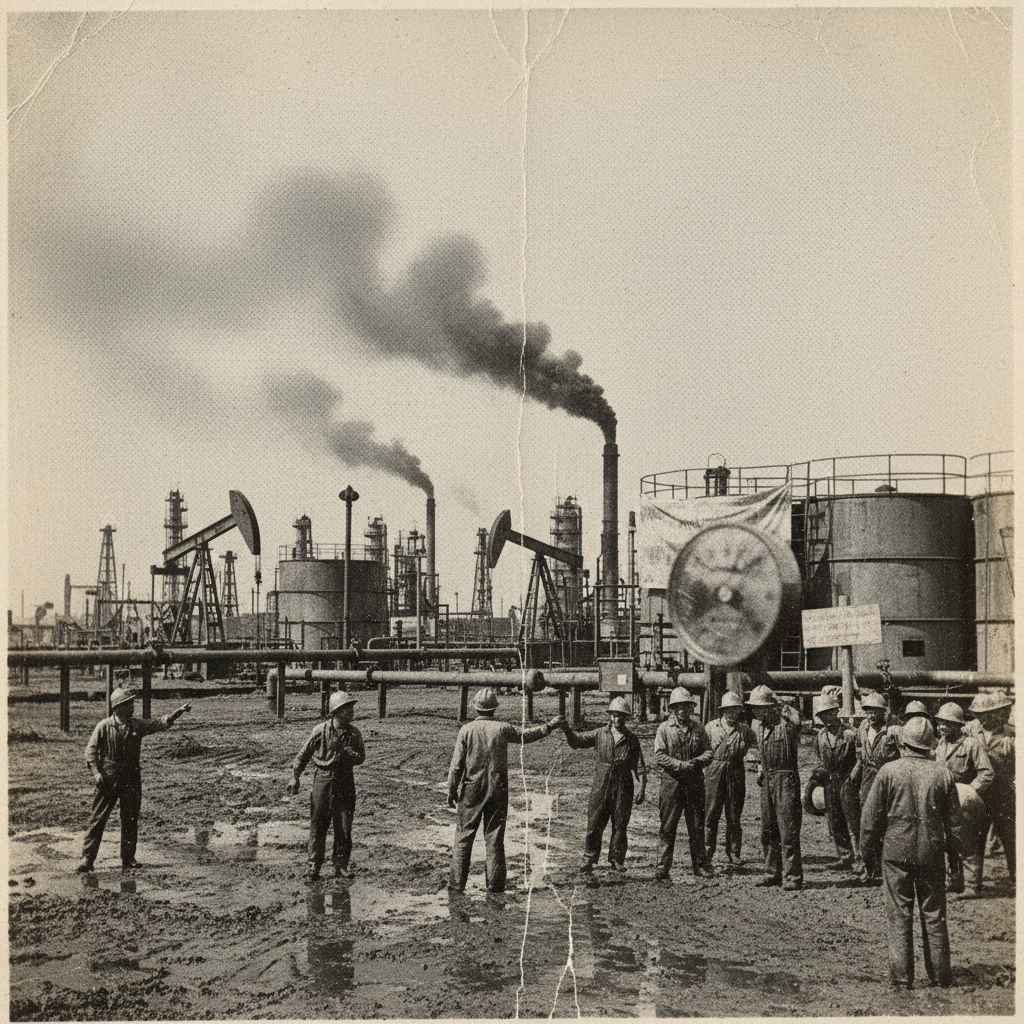
NEW YORK, August 1 — WTI crude tore to $85 a barrel in July, capping a violent one-week surge that traders had priced at 63 per cent. The world got its alarm bell.
The climb was brutal and fast — up nearly $16 in seven days, per Polymarket's tracking, as ships hesitated at the Strait of Hormuz. Every barrel now carries a war premium.
Traders are already eyeing $90, a mark the wires give one-in-three odds. Drivers feel it at the pump; central banks feel it in their sleep. Nobody is calling the top.
the biggest buyout gaming has ever seen closes ahead of schedule, sweeping the publisher off the public market
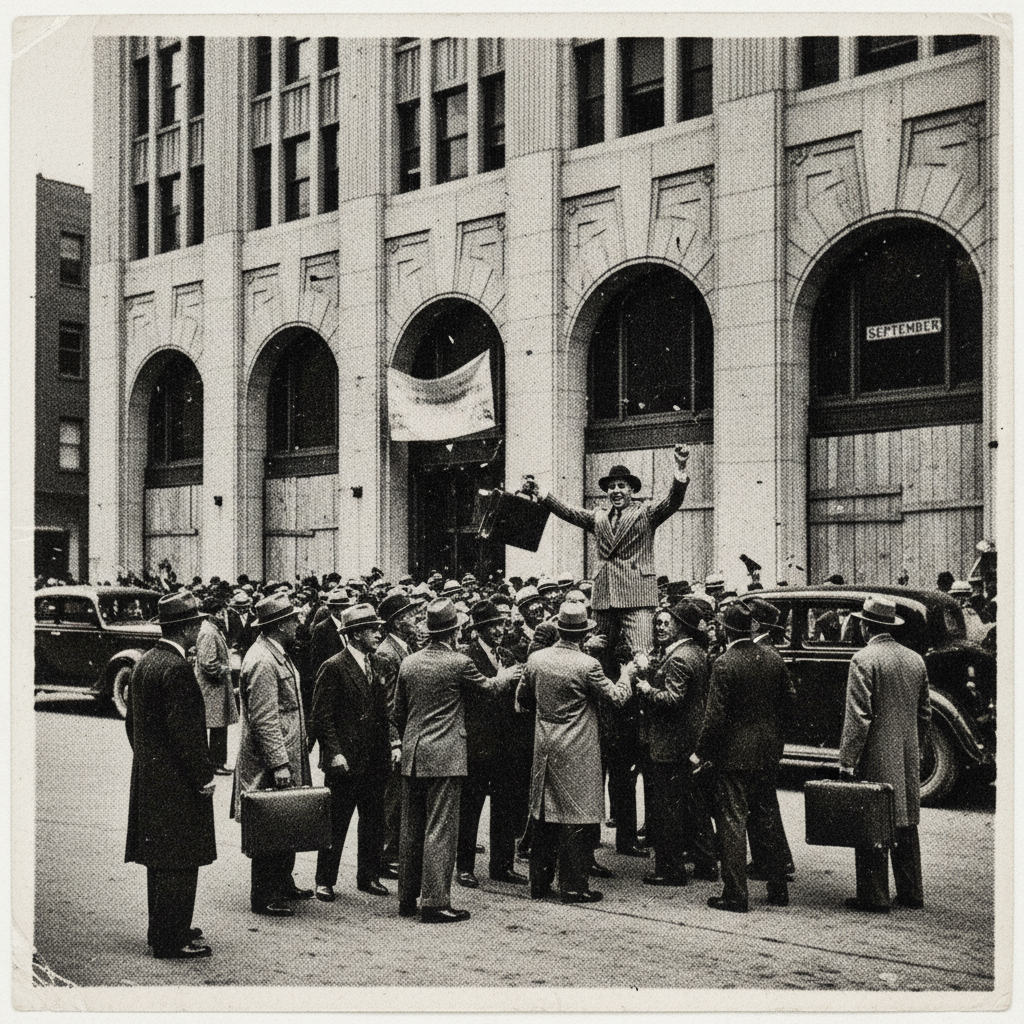
NEW YORK, September 1 — Electronic Arts is a private company, its record take-private buyout closed before September — an outcome traders priced at 84 per cent. The maker of "Madden" and "The Sims" exits the public market it has ridden for decades.
The deal is the fattest leveraged buyout gaming has ever booked. Odds jumped from 38 to 84 in a single session, and the wires stopped asking whether it would close and started asking how fast.
Shareholders cash out; the new owners inherit the debt and the franchises. Observers see a studio freed from quarterly theater — and a warning to every publisher still trading in the open.
as the Fed ends 2026 exactly where it began, rate unchanged through twelve straight meetings
NEW YORK, July 20 — The Federal Reserve closed the books on 2026 without touching rates, an outcome traders priced at 85 per cent. Twelve months, zero cuts, one hawkish hold.
The bet crowded early and never loosened. On Polymarket, "no cuts" sat near 85 cents while every dovish scenario withered; the one-cut camp never found buyers. Powell sat on his hands, and the wires stopped guessing.
The ripple was real. Borrowers who penciled in cheaper money got none. Mortgages stayed heavy, bond desks recalibrated, and the year's lesson landed dry: this Fed talks patience and means it.
as traders abandon the cut and brace for a costlier winter
WASHINGTON, Dec. 9 — The Federal Reserve raised interest rates before year's end — an outcome traders had priced at 54 per cent, a coin-flip that finally landed hawkish. Markets that spent months betting on relief bet, instead, on the brake.
The turn is stark. For most of 2026 the consensus called for Powell to ease. Sticky inflation and a stubborn labor market flipped the script, and the wires now read the chairman as the last hawk standing.
The stakes reach past the trading desk. Higher rates mean pricier mortgages, tighter credit and a leaner holiday for borrowers. Observers say the message is plain: the fight over prices is not finished.
as the market's largest bloc braced for a downturn the referees would later make official
NEW YORK, July 20 — The recession the traders warned of arrived in 2027, an outcome priced at 41 per cent, the biggest single bet on the board. The referees at the NBER made it official months later.
Payrolls thinned. Orders slowed. The plurality that saw storm clouds coming watched the sky open, even as most of the market still bet against it.
No siren announced it. Recessions are named in hindsight, and this one waited on the scorekeepers. The wires had the number long before the ruling came down.
The Federal Reserve ignores the pressure and holds its benchmark exactly where it was
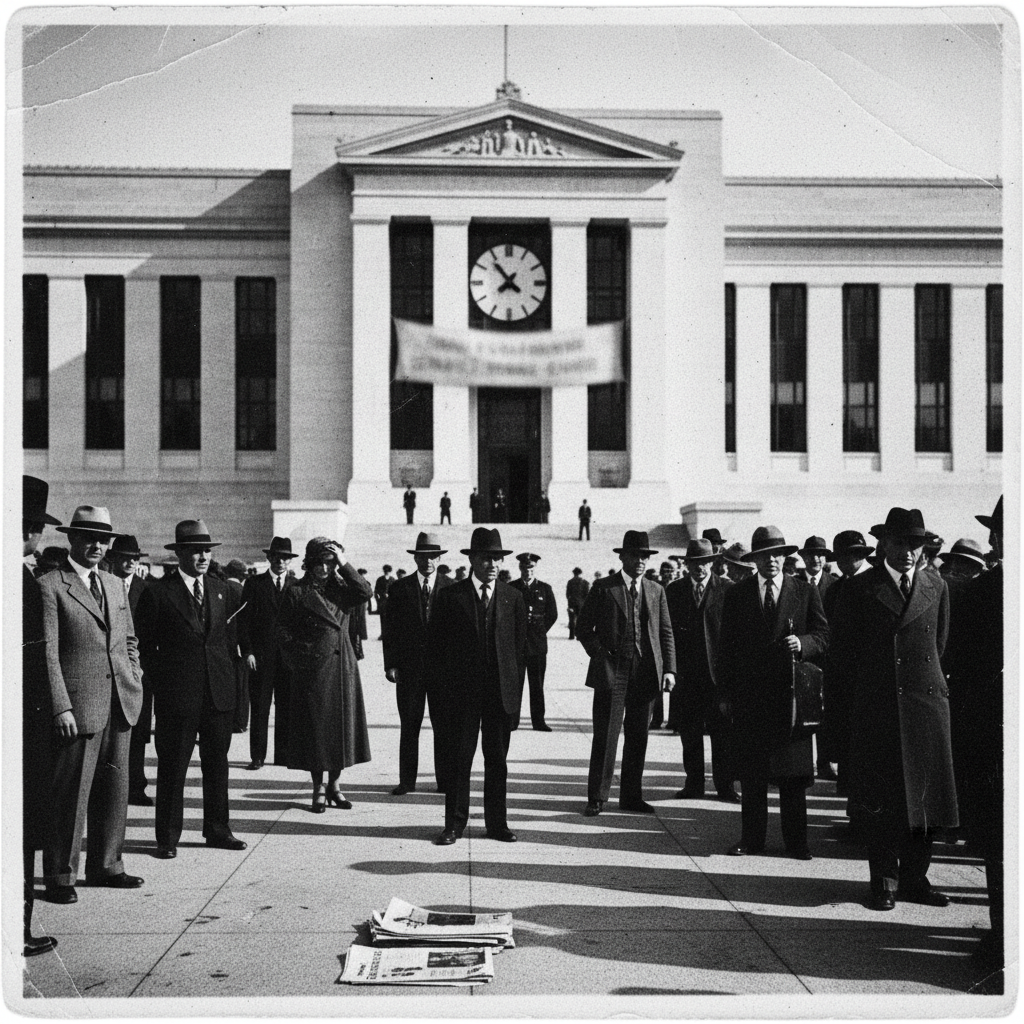
WASHINGTON, July 29 — The Fed didn't blink. It left interest rates untouched Tuesday as Chairman Jerome Powell brushed off mounting calls for relief. Nobody was surprised. Traders had priced the hold at 96 percent before the decision landed. The cheap-money crowd went home empty-handed again.
This is getting routine. The central bank picked caution over applause once more. Since the inflation spike of recent years, the Fed hasn't budged, and there's barely a dissenting voice in the room. Markets gave a rate cut almost no chance—a sliver of a percent, either way. So much for easy summer money.
Now everyone's guessing. Traders are looking to autumn, but hope for cuts has faded heading into late 2026, and few expect quick relief. Businesses, homebuyers and Wall Street all have to live with a Fed built to be obeyed, not liked. The line holds. Powell isn't flinching.
Banco Central finally eases policy by a quarter-point in August
BRASÍLIA, Aug. 4 — Brazil's central bank cut the Selic rate by 25 basis points tonight, ending a long tightening cycle. Traders had priced the move at 86 percent. It was hardly a surprise.
For years the bank hiked rates hard to crush inflation. It worked. The currency steadied, prices cooled, and pressure to ease built month after month. Now the bank says the era of high rates is over. Traders bet big on a modest cut, and they were right.
Expect a slow descent, not a dive. A bolder half-point cut drew almost no bets — under 1 percent. Businesses and households want cheaper credit and faster growth. The bank warns it will act again if prices spike. But tonight, Brazil breathes easier.
as the silicon titan repels Apple's furious late charge to keep its planetary throne
NEW YORK, July 31 — NVIDIA closed today as the most valuable company on Earth. Betting markets had put its odds at just 60 percent. The chipmaker, riding the AI boom now powering every industry, held off Apple's late surge. The biggest fortune ever built stays, for now, with the machine-makers.
It was close. In one week, the market's confidence in NVIDIA dropped by more than a quarter. Apple climbed to nearly 39 percent in traders' odds. It became a two-horse race to the wire. Alphabet, Microsoft and Saudi oil giant Aramco never got near.
Mark it down: the machines beat the phones and the oil. The crown is not secure. A quarter is fickle, and Apple isn't done. Traders return in August with knives sharpened. For one night, though, the machine wins.